EU Alumnus, Supareak Charlie Chomchan, on Family Business & Promoting Thailand as an Investment Destination

Supareak Charlie Chomchan was born and raised in Thailand but moved to Switzerland to study his MBA and DBA at EU Business School. He now works for his family business in the construction industry, handling several companies, and is also the vice chairman at the Joint Foreign Chambers of Commerce Thailand and the advisor to the Board of Trade of Thailand, where he promotes trade and foreign investment in his country.
In his spare time, Supareak plays the saxophone, previously participating in a band, but he also enjoys sailing and golf. His dream would be to sail the world and explore unique, off-the-beaten-track cultures!
Could you tell us about your career journey?
My first degree was in engineering and, since studying at EU Business school, I have been working for my family’s business. Our company spans various industries, but the core business is engineering and construction. We have started a joint venture with an Australian company in which we are able to work on property development, using our own resources in order to develop properties into hotels.
Why did you decide to do an MBA and DBA at EU Business School?
I had already studied industrial engineering so that I could manage the factories and understood how to work with technologies, but managing people and business is different. This is what the MBA helped me with and also brought me into the broader sense of managing my own business.
Regarding the DBA, it is another level. I had been thinking a lot about it as many people around me had a PhD and it really inspired me to expand my knowledge. I was quite young when I took on a consultancy role for small and medium Thai enterprises (part of a government program), and I thought people would take me more seriously if I had a PhD qualification, which would give me the knowledge and skills to present my conclusions more effectively.
Could you explain the structure and history of your family business?
We have a small family. My father started the business and currently oversees the group of companies, I run our different companies, my mother is the financial controller, and my brother is a shareholder.
When it all started, my father wanted to ensure my mother could contribute as it was quite a small business at the time. When I came into the business, it was natural to have new ambitions and want to make improvements. My father allowed me to try out new things and, sometimes, fail, but I realized that what he had built worked and I could help in taking it to another level. So, now I am building on the empire.
Different generations see things from separate perspectives; I come from a generation in which the world is moving so quickly that it is difficult to keep up with competition. Nowadays, I keep away from mergers and acquisitions and go for partnerships and ventures instead. We learn from others and combine our strengths to build new businesses together.
I have two daughters, who are still very young, but I’d like them to choose their own path. If they one day decide to work at the company, they can start from scratch, like I did.
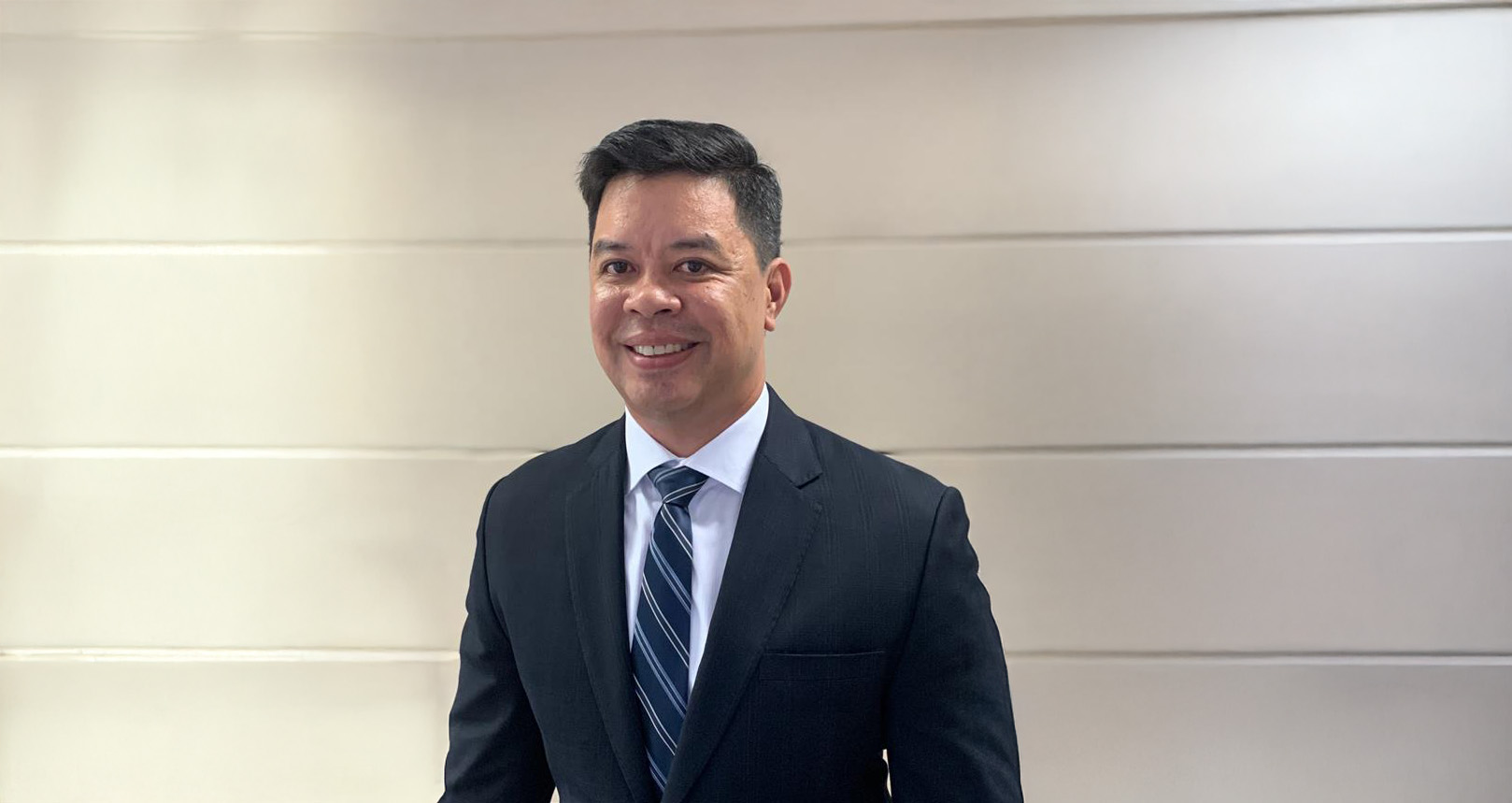
You are also the vice chairman of the Joint Foreign Chambers of Commerce Thailand (JFCCT). How did you get into this and what interested you about the role?
My father taught me that whenever we have time, we should contribute to society in some way. So, I decided to join the Chamber of Commerce in order to promote trade and foreign investment in Thailand.
The vice chair role has quite a number of positions attached to it. I sit as the advisor to The Board of Trade of Thailand, the main body that drives trade and investment from the private sectors. The JFCCT and The Board of Trade work hand-in-hand because The Board of Trade focuses on the local aspect while the JFCCT handles the foreign side. At JFCCT, we try to address any difficulties and provide recommendations and suggestions to the government. This could relate to work permits and visas, which are very complicated to obtain here, and we also try to liberalize the service industry because Thailand is heavily involved in the tourism and manufacturing industries, but the service industry is very restricted. If we could open it up, we could compete with the other ASEAN countries.
We try to promote Thailand as an investment destination so we work closely with the embassies to promote the country and our economy while improving the lives and work of foreign investors.
What is your advice for current students?
Take this chance to create a strong network as it will be useful to you in the future and will expand your business prospects. The students at EU are pretty unique; many of my classmates already had businesses and it was a great opportunity to build on my network and learn from their experiences. The school is a melting pot in which future businesses and different ideas and perspectives meet.
I studied in Switzerland and was fortunate to make good friends who helped me explore Europe.
When pursuing further education, most people tend to study in English-speaking countries, but Switzerland can give you so much more. Europe is so diverse, with so many countries in close proximity, which means you have a great opportunity to learn about new cultures.