Beyond the Classroom: How Student Clubs and Societies Shape Your University Experience

University life is often described as a transformative journey, not just academically, but socially and professionally. One of the most rewarding and enriching parts of that journey is joining student-led clubs, societies, and organizations. Student groups provide a platform for students to explore their passions, build meaningful relationships, and develop transferable skills that are highly valued beyond campus walls.
Why Do Students Join Campus-Based Clubs and Societies?
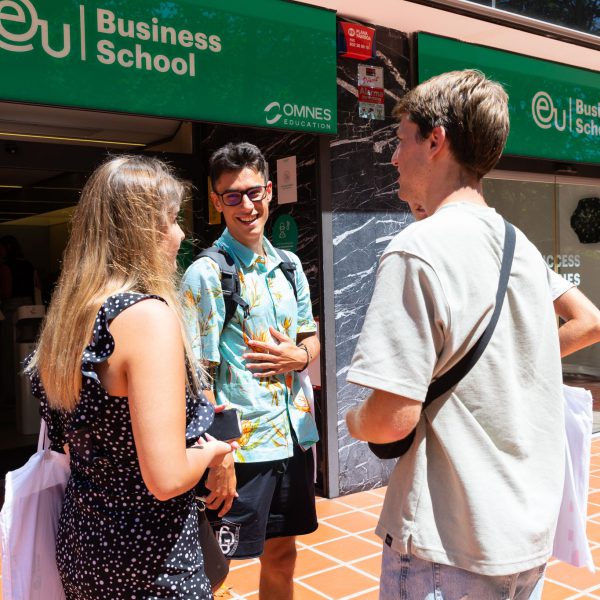
Many are drawn by the desire to meet like-minded individuals and form friendships outside their academic cohort. Others seek to explore interests that may not be directly tied to their coursework—like debating, music, or environmental activism. Some view clubs as a means to develop leadership skills or gain practical experience that complements their degree. For international students, clubs often offer a crucial support network and a way to immerse themselves in campus culture.
According to global student engagement surveys, approximately 50% to 70% of university students actively participate in at least one club or society during their academic tenure. Participation tends to peak during the first and second years of study, with many institutions reporting that 60–80% of first-year students attend club fairs and join groups. At this stage, students are more open to exploring social and extracurricular opportunities.
Benefits of Joining Academic and Career-Focused Clubs
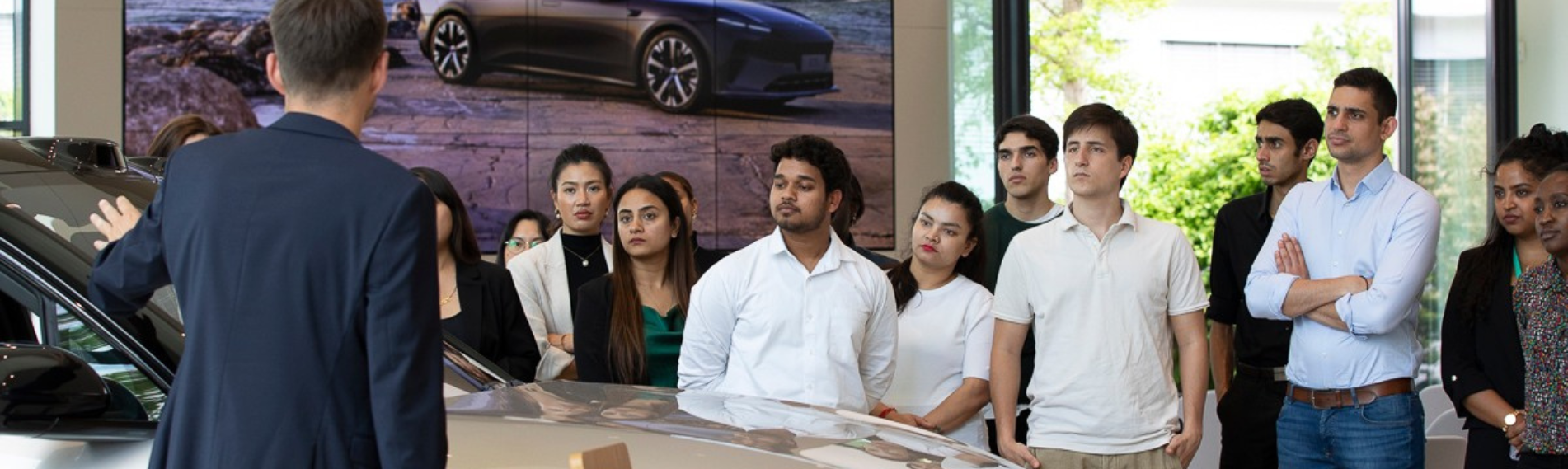
Clubs related to a student’s field of study—such as engineering societies, finance clubs, law review boards, and medical interest groups—offer substantial academic and career benefits. At EU Business School (EUBS), these organizations often host guest lectures, workshops, networking events, and industry panels that allow members to engage directly with professionals and alumni. Such experiences, such as EUBS’s Learning from Leaders program, can enhance classroom learning, offer insights into career paths, and even lead to internships or job opportunities.
Academic clubs also foster mentorship, as senior students can guide undergrads through challenging coursework, or offer advice on professional development. Participating in academic societies signals to potential employers that a student is proactive, engaged, and deeply invested in their field.

The Role of Sport and Recreation Clubs
Sport and recreation clubs, on the other hand, provide essential balance to the academic rigors of university life. Whether through competitive team sports, casual fitness groups, dance societies, or adventure clubs, these organizations promote physical health, stress relief, and teamwork. Students who join recreational clubs often report higher levels of overall well-being and campus satisfaction.
These clubs also attract a diverse group of students, often cutting across academic disciplines and backgrounds. While they may not be directly tied to a student’s career goals, the leadership, discipline, and collaborative skills developed in these settings are highly transferable to professional environments.
Recreational and cultural clubs tend to attract more students—male and female—due to their inclusive and diverse nature. And while academic clubs may be more niche, they often have highly engaged and committed memberships. Their impact, especially on students’ professional growth, is significant.
Club Participation on Resumes: A Hidden Asset
Recruiters value extracurricular involvement, especially in student-run organisations. Participation in clubs reflects initiative, time management, teamwork, and leadership—all of which are attributes that employers seek. Leadership roles, such as club president or event coordinator, demonstrate the ability to take responsibility, manage teams, and deliver results—skills that may not be evident through academic grades alone.
In competitive industries like consulting, finance, and tech, students with rich extracurricular profiles often stand out. Career services at top universities consistently advise students to list relevant club involvement on their CVs, particularly when tied to professional development or leadership.
Most Popular Clubs on Global Campuses
Based on surveys and participation data from universities across the world, the following are consistently among the most popular student clubs:
- Sports and athletic clubs offer benefits of teamwork, fitness, and socializing. A topical extension in business circles of this type of association is EUBS’s Wellbeing Club. The club promotes physical, mental, and emotional health through activities like mindfulness sessions, fitness challenges, and wellness workshops.
- Cultural and international student societies, such as EUBS’s Spanish and Catalan Club, offer benefits of community identity, support and empowerment.
- Business and entrepreneurship clubs, such as the Women in Business Club at EUBS, “emerged from the idea of having a space where women can talk, plan workshops with subjects like finance, leadership, entrepreneurship, and marketing, and promote connections among us to source contacts to provide networking opportunities to allow women to connect with other professionals, potential mentors and business partners.”
- Community service and volunteering groups, like the Model United Nations (MUN) Club, debate global issues and develop skills in diplomacy, public speaking, and negotiation. The Volunteering Club at EUBS is dedicated to making a positive social and environmental impact, offering students a chance to give back to the community while gaining valuable experience and fostering personal growth.
- Performing arts and music societies, like the Music Club, are a space for all music lovers, hosting jam sessions, workshops, and performances, and offering opportunities to collaborate, learn, and share music with others.
- For the more cerebral-minded, EUBS also offers a Chess Club and a MasterMind Club. You can trot along to their meetings to find out more about what they do!

Trends in Business Schools
Business schools show a strong inclination toward clubs that emphasize networking, entrepreneurship, consulting, and finance. MBA students often form or join investment clubs, venture capital groups, consulting societies, and case competition teams. These clubs frequently collaborate with corporate sponsors and alumni, providing a bridge between academic learning and real-world application.
EU Business School’s Finance Club on its Barcelona Campus is a prime example.
As hubs for innovation and student-led initiatives, entrepreneurship clubs often serve as incubators for start-ups, giving students the opportunity to pitch ideas, develop business plans, and receive mentorship from industry veterans.
Final Thoughts and Outcomes
- Personal Outcomes:
- Leadership Development: Enhanced self-efficacy and leadership skills.
- Social Belonging: Critical for minority and first-year students’ sense of identity and inclusion.
- Academic Outcomes:
- Retention & Persistence: Clubs positively influence academic motivation and student retention.
- Validation & Support: Cultural clubs help marginalized groups feel seen and supported.
- Civic Outcomes:
- Community Engagement: Clubs often serve as platforms for social impact and sustainability.
- Political Involvement: Rights to form political societies are studied and defended globally.
Ultimately, student-led clubs and societies are more than just a social outlet—they’re a critical part of holistic student development, providing a gateway to personal and professional success.